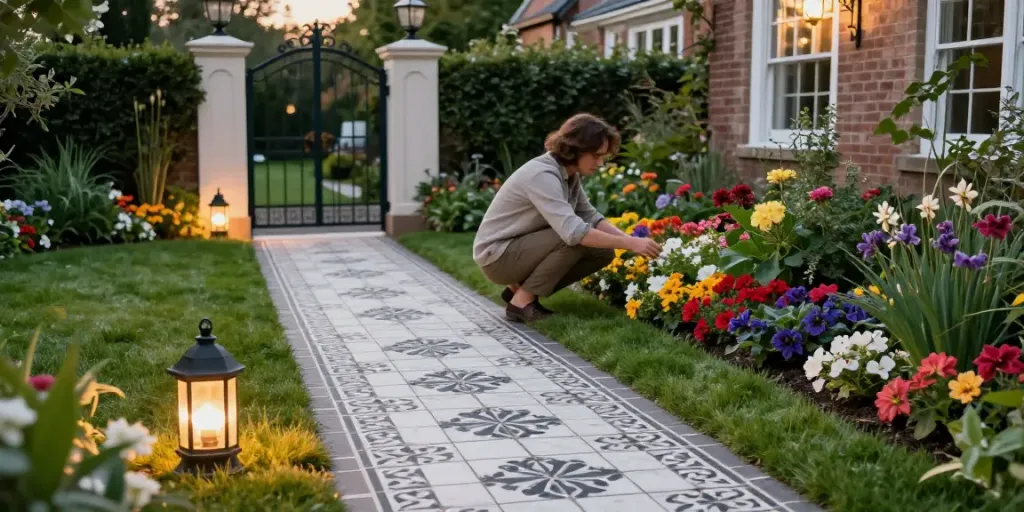
Understanding Victorian Tiled Paths: A Historical Perspective
Victorian tiled paths are not simply a stylish addition to your garden; they represent a rich historical legacy that dates back to the Victorian era, characterized by ornate designs and craftsmanship. These pathways were often seen as a reflection of social status, with intricate tile designs paving the way to the front doors of homes during a time when the aesthetic appeal was paramount. The resurgence in popularity of Victorian aesthetics has made these tiled paths a sought-after feature for modern homeowners wishing to incorporate elegance and historical significance into their landscaping. When exploring options, Victorian tiled paths provide comprehensive insights into the artistry and design principles that define this timeless trend.
The Origins of Victorian Tiled Paths
The concept of tiled paths emerged during the Victorian period in the 19th century. As urbanization increased, homeowners sought to create distinct entrances to their gardens and homes using decorative tiles. This was a period marked by industrial advancements, which allowed for mass production of tiles and the introduction of sophisticated designs. Inspiration came from various sources, including medieval patterns, geometric shapes, and floral motifs characteristic of the Arts and Crafts movement.
Key Characteristics of Victorian Tile Design
Victorian tiles are notable for their vibrant colors and intricate patterns. Most commonly, these tiles are made from clay, which is glazed for added durability. Key characteristics include:
- Color Variety: Traditional Victorian tiles often feature rich colors like deep blues, reds, and greens, combined with contrasting whites and blacks.
- Pattern Complexity: Common designs include geometric shapes, floral patterns, and decorative motifs that draw inspiration from nature.
- Materials: Authentic Victorian tiles are usually made from clay, with quality craftsmanship resulting in a robust product that can endure the elements.
Influences on Modern Pathway Aesthetics
The resurgence of Victorian tiled paths in contemporary landscaping owes much to nostalgia and a desire for character in outdoor spaces. Modern designers are reinterpreting traditional designs to create pathways that resonate with the past while incorporating new materials and techniques. As sustainability becomes a goal for many homeowners, eco-friendly tiles crafted from recycled materials are also becoming popular, reflecting a broader trend toward responsible landscaping.
Designing Your Own Victorian Tiled Path
Designing a Victorian tiled path involves an understanding of the various elements that contribute to creating a cohesive look. From selecting the right tiles to considering the placement and patterns, each decision impacts the final aesthetic.
Choosing the Right Tiles for Your Home
The first step in designing your Victorian tiled path is selecting the right type of tiles. You may opt for original reclaimed Victorian tiles for authenticity or choose modern reproductions that replicate traditional designs. Consider the following factors while making your decision:
- Color Compatibility: Ensure that the tile colors complement the existing architecture of your home and garden.
- Tile Size: Larger tiles may create a more modern look, while smaller mosaic tiles offer a classic Victorian appeal.
- Durability: Choose tiles that are suitable for outdoor use and can withstand various weather conditions.
Color Schemes and Patterns That Stand Out
Color schemes are crucial in Victorian design. Popular combinations include classic black-and-white patterns, which create a striking visual impact. Florals and geometric designs can also be mixed and matched to create unique looks. Be mindful of proportion and balance when selecting patterns to ensure the path feels inviting and harmonious.
Placement and Layout: Creating Visual Flow
Strategic placement of your tiled path enhances visual flow throughout your garden. Consider uninterrupted lines that guide the eye toward focal points like flower beds or water features. The layout should not only serve a functional purpose but also contribute to the overall aesthetics of the landscape. Use curves instead of sharp angles to create a more organic transition within your outdoor space.
Installation Techniques for Victorian Tiled Paths
Installing a Victorian tiled path can be a rewarding DIY project, provided you follow step-by-step techniques to ensure a successful outcome. Proper installation not only enhances the beauty of your garden but also prolongs the life of the tiles.
Preparing the Ground for Tile Installation
Before laying tiles, it's critical to prepare the ground properly. Follow these steps:
- Excavate the Area: Remove the top layer of soil to a depth of about 10-15 cm where tiles will be laid.
- Level the Base: Ensure the surface is even and compacted. You may use a tamper for this purpose.
- Add a Base Layer: A layer of sand or gravel can help with drainage and provide stability.
Step-by-Step Guide to Laying Victorian Tiles
With the groundwork laid, follow these steps to install your Victorian tiles:
- Plan Your Design: Use string lines to mark out your design before starting the installation.
- Start from a Corner: Begin laying tiles from one corner, working your way outwards. Use spacers to ensure even gaps between tiles.
- Cut Tiles as Needed: Use a tile cutter for any cuts required to fit around corners or objects.
- Grouting: After laying the tiles, apply grout between them, ensuring it’s fully pressed in.
- Sealing: Once the grout has cured, sealing the tiles will protect them from moisture and stains.
Common Mistakes to Avoid During Installation
To achieve the best results, avoid these common pitfalls:
- Skipping Preparation: Failing to level the base can lead to uneven tiles.
- Ignoring Drainage: Ensure that your path has proper drainage to avoid water pooling.
- Rushing the Process: Take your time laying the tiles to ensure accuracy and alignment.
Maintaining Your Victorian Tiled Path
Like any home feature, Victorian tiled paths require regular maintenance to retain their beauty and functionality. Understanding proper care techniques is essential for longevity.
Cleaning and Care Tips for Longevity
Regular cleaning and maintenance ensure that your path remains in pristine condition. Consider these tips:
- Regular Sweeping: Remove debris and dirt to prevent staining.
- Wash with Mild Detergent: Use a gentle detergent mixed with water and scrub the tiles periodically.
- Avoid Harsh Chemicals: Steer clear of abrasive cleaners that may damage the tile surface.
Seasonal Maintenance: Preparing for Weather Changes
Different seasons bring various challenges for outdoor maintenance. During winter, ensure snow and ice are cleared to prevent long-term damage. In summer, check for any cracks or shifts in tiles, and address them promptly to avoid worse issues.
Restoration Techniques for Aging Paths
If your Victorian tiled path shows signs of wear, restoration techniques can rejuvenate its appearance. This includes:
- Regrouting: If grout becomes cracked or discolored, regrouting can improve both aesthetics and stability.
- Replacing Damaged Tiles: Individual tiles can be replaced without affecting the entire path.
- Applying Sealant: Regularly sealing the path protects against weathering and staining.
Future Trends in Victorian Tiled Path Design
The world of garden design continues to evolve, with Victorian tiled paths adapting to meet modern tastes and concerns.
Emerging Materials and Eco-Friendly Options
As sustainability becomes a key focus, many homeowners are opting for eco-friendly tiles made from recycled materials or sustainably sourced clay. These materials provide a durable alternative without sacrificing the aesthetic quality associated with traditional Victorian tiles.
Incorporating Modern Technology in Pathway Styles
Modern technology has allowed for innovative designs and installations of tiled paths. For instance, digital printing technology enables the creation of custom patterns that are both precise and unique, appealing to contemporary homeowners looking for personalization.
Predictions for 2026: What’s Next for Garden Design?
By 2026, we can expect Victorian tiled paths to incorporate smart technology, such as integrated lighting and heating systems, making them functional year-round. Combining the charm of historical design with modern conveniences will likely attract a new generation of homeowners.
What are the benefits of using Victorian tiled paths?
Victorian tiled paths not only add elegance and charm to gardens but also enhance property value and curb appeal. Their durable nature ensures longevity and low maintenance, making them a practical choice for various homeowners.
How do I care for my Victorian tiles?
Caring for Victorian tiles requires regular cleaning, avoiding harsh chemicals, and seasonal maintenance to protect them from the elements.
What styles can I choose for a Victorian tiled path?
With Victorian paths, you can choose from a range of styles, including geometric patterns, floral designs, and color combinations that reflect both traditional and modern aesthetics.
Can I install Victorian tiles by myself?
Yes, with proper planning and following installation techniques, homeowners can successfully install Victorian tiles as a DIY project.
Where can I find authentic Victorian tiles?
Authentic Victorian tiles can be sourced from specialty tile retailers, reclamation yards, or online platforms dedicated to historical building materials.