Understanding Plastering Services in London
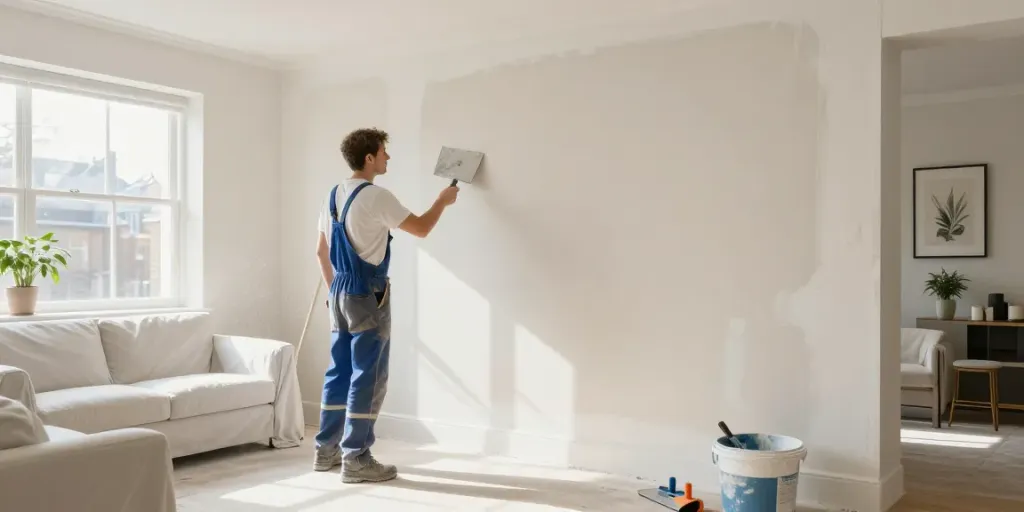
When it comes to home renovations, plastering is often a critical factor in achieving a polished and finished look. Whether you're refreshing tired walls or preparing for a major renovation, understanding the complexities of plastering can guide you toward making informed decisions. Plastering Service London provides a range of services that cater to various plastering needs, from skimming to repairs, thus ensuring that your property not only looks good but also maintains its structural integrity.
What is Plastering and Why is it Important?
Plastering is the process of applying a layer of plaster on walls and ceilings to create a smooth surface. This step is essential for several reasons:
- Protection: A well-applied plaster coat protects underlying materials from moisture, dampness, and pests.
- Aesthetic Appeal: Plastering provides a finished look, allowing for better paint adhesion and overall aesthetics.
- Insulation: Plaster can also help insulate your home, improving energy efficiency.
Proper plastering can significantly enhance not just the appearance but also the durability of your living spaces, making it a worthwhile investment in your property.
The Different Types of Plastering Services Available
In London, there are various plastering techniques you can opt for, depending on your specific needs:
- Wall Skimming: This technique involves applying a thin layer of plaster over existing walls to create a smooth finish.
- Rendering: Used primarily for exterior surfaces, rendering protects against weather elements while offering an aesthetically pleasing finish.
- K Rend Systems: This modern method provides a durable and environmentally friendly option for rendering.
- Repairs: Addressing cracks, holes, and other damage to ensure a seamless look across surfaces.
Choosing the right plastering service depends on evaluating your specific requirements and the condition of the surfaces involved.
Choosing the Right Plaster Finish for Your Home
The finish you choose for your plaster can greatly influence the overall look and feel of your rooms. Here are a few options:
- Flat Finish: Ideal for a clean and modern look.
- Textured Finish: Provides depth and can hide imperfections.
- Gloss Finish: Offers a reflective surface that enhances color vibrancy.
Consulting with a professional can help you select the best finish that complements your home's aesthetics while meeting functional needs.
Evaluating Costs for Plastering in London
Understanding the costs associated with plastering is vital for budgeting your home renovation. Prices can vary widely based on several factors.
Factors Influencing Plastering Costs
When planning your plastering project, consider the following elements that can affect pricing:
- Surface Condition: Damaged or uneven surfaces may require more preparation, thus increasing costs.
- Type of Plaster: Some materials are more expensive than others; traditional plaster tends to be cheaper than modern alternatives like K Rend.
- Area Size: Larger areas naturally incur higher costs.
- Accessibility: Difficult-to-reach areas can require specialized equipment, which may increase labor costs.
Average Costs for Different Plastering Projects in 2026
The average cost for plastering varies depending on the type of service required. For instance, as of 2026:
- Wall Skimming: Prices typically range from £10 to £25 per square meter.
- Rendering: Budget around £20 to £40 per square meter, depending on the texture and finish.
- Repairs: Minor repairs can cost between £50 to £150, depending on the extent of the damage.
These figures provide a basic framework, but getting a tailored quotation based on your project specifics is advisable.
How to Get Accurate Quotes for Your Plastering Job
To obtain the most accurate quotes:
- Provide clear photographs of the areas needing work.
- Include your postcode for location considerations.
- Specify any particular concerns or requirements, such as damp issues or structural repairs.
By supplying this information upfront, plastering professionals can offer you a more precise estimate, ensuring transparency and setting expectations.
Common Plastering Techniques and Their Applications
Understanding common plastering techniques enables homeowners to make informed decisions based on their specific needs.
Wall Skimming and Its Advantages
Wall skimming is a popular technique for giving walls a fresh, smooth finish. It offers several benefits:
- Cost-Effective: It can be cheaper than completely replastering walls.
- Quick Application: Typically faster than full plastering jobs, minimizing disruption to your home.
- Improves Aesthetics: Provides a blank canvas for painting and decorating.
Wall skimming is particularly effective for properties with solid walls that have been previously plastered.
Understanding Rendering and K Rend Systems
Rendering is essential for exterior walls, enhancing both weather resistance and appearance. K Rend, a silicone-based render, stands out for its durability. Here's why:
- Water Resistance: K Rend systems help repel water, protecting against underlying damage.
- Low Maintenance: Requires less frequent upkeep compared to traditional renders.
- Versatile Finishes: Available in a range of textures and colors.
These systems are ideal for new builds and renovation projects, ensuring long-lasting results.
Repairing Damaged Plaster: Best Practices
Repairing damaged plaster is crucial for maintaining the aesthetics and safety of your home. Here are steps to guide you:
- Assess the damage to determine whether a simple repair is sufficient or if the area needs more extensive work.
- Prepare the area by cleaning it and removing any loose material.
- Apply a bonding agent if necessary before adding new plaster.
- Ensure a smooth finish by feathering the edges of the new plaster into the existing wall.
Consulting with a professional can help ensure repairs are done correctly, avoiding future issues.
Preparing Your Space for Plastering
Preparation is a crucial step in the plastering process that can significantly affect the outcome of your project.
Essential Steps Before the Plastering Process Begins
Before any plastering begins, take the following steps to prepare your space:
- Clear the area of furniture and debris to provide unobstructed access.
- Repair any significant damage, such as holes or cracks, to have a consistent base.
- Ensure the surfaces are clean and dry.
Proper preparation will lead to better adhesion and a smoother final result.
What to Expect During a Plastering Job
During the plastering process, expect the following:
- Noise from tools and equipment, which can be disruptive.
- Potentially dusty conditions; covering furniture and using protective gear is advisable.
- Regular updates from the plastering team regarding progress and any unforeseen issues.
Understanding the process helps in managing expectations and ensures smooth collaboration with the plastering team.
Post-Plastering Care and Maintenance Tips
After the plastering job is complete, proper care is essential to maintain the quality:
- Allow sufficient drying time before painting or decorating; this can be up to a few weeks depending on conditions.
- Monitor the newly plastered areas for any signs of cracking or dampness.
- Regular cleaning to maintain the surface can help extend its life.
Taking these steps will ensure your plastered walls remain in excellent condition over time.
FAQs About Plastering Services in London
Many homeowners have common concerns when it comes to plastering. Here are answers to frequently asked questions:
How much does a plasterer cost in London?
The cost of hiring a plasterer in London can range from £10 to £40 per square meter, depending on the job's complexity and the materials used.
Can I do plastering myself?
While DIY plastering is possible, it requires skill and experience for a professional finish. Poor application can lead to additional costs in repairs.
What is the average time to complete a plastering job?
The timeframe for plastering depends on the job size; small rooms may take a day, while larger projects could take several days.
Are there any common issues to watch for during plastering?
Some common issues include cracking, peeling, or damp spots. It's crucial to ensure proper preparation to mitigate these risks.
What should I look for when hiring a plastering service?
Look for licensed, insured professionals with positive reviews and extensive experience in the type of work you require.